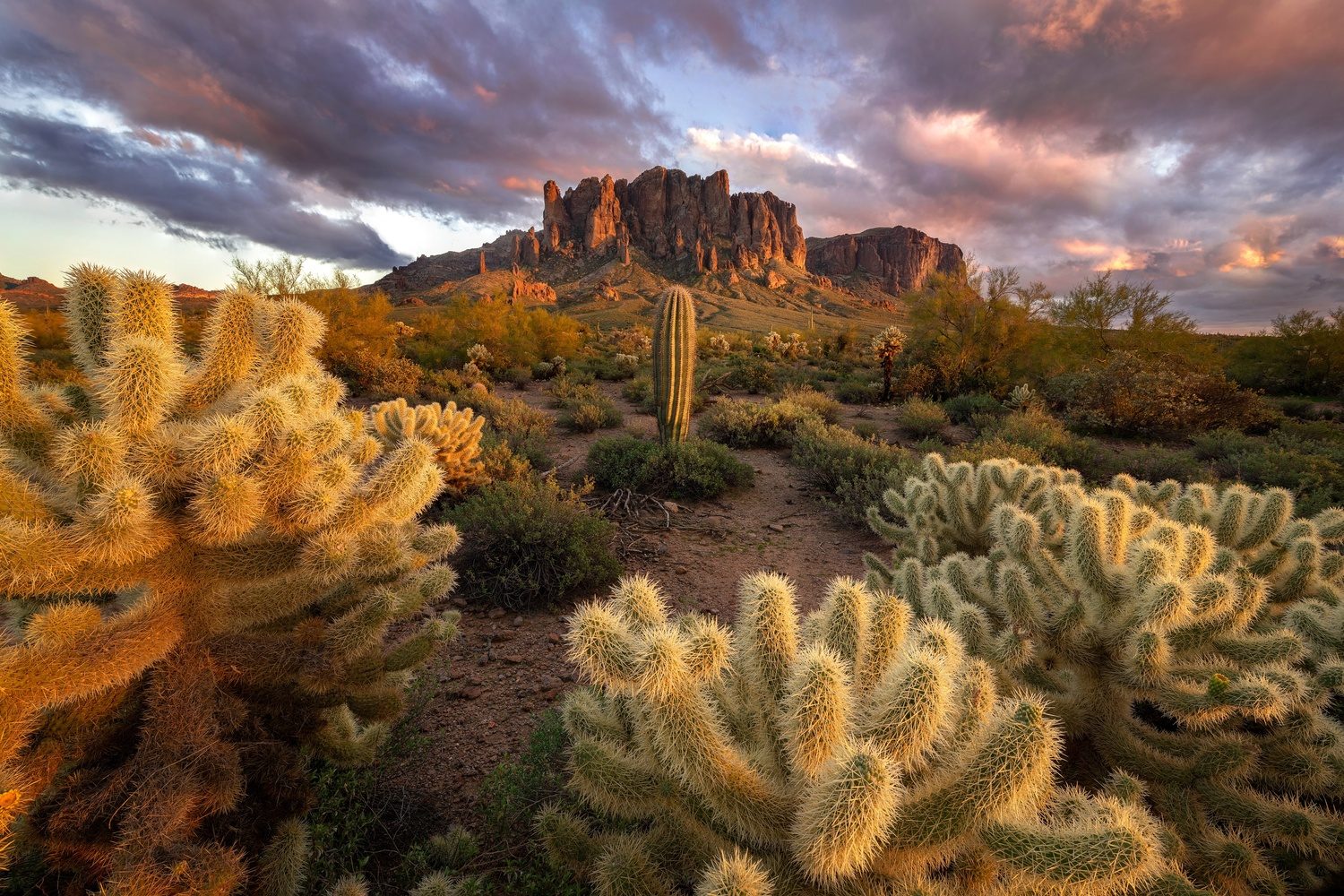
Despite its dry reputation, the Sonoran Desert supports a surprising range of wildlife, much of it active only at dawn, dusk or night.
Mammals
Javelinas, a pig-like species, often forage in small family groups near dawn or dusk. Desert cottontails and jackrabbits are common year-round, and coyotes are occasionally spotted at a distance during early morning tours.
Reptiles
Various lizard species are easy to spot sunning on rocks during the day. The Gila monster, a venomous lizard, is rarely seen due to its mostly underground habits, but it is native to the region.
Birds
| Bird | Best Time to Spot |
|---|---|
| Roadrunner | Morning, running across open trails |
| Gila woodpecker | Any time, often near saguaro nest holes |
| Elf owl | Dusk, nesting in saguaro cavities |
| Cactus wren | Morning, Arizona’s state bird |
When to See the Most Activity
Early morning and the hour before sunset are consistently the best windows, which is part of why we schedule our Saguaro National Park Sunrise Hike and Sonoran Desert Sunset Jeep Tour around those times.
Keeping a Respectful Distance
Even common desert animals should be observed from a distance rather than approached. Javelinas in particular can act defensively if they feel cornered, and feeding any wild animal changes its behavior in ways that can be dangerous for both animals and future visitors.
Rattlesnakes and Trail Awareness
Several rattlesnake species live in the Sonoran Desert, though encounters are uncommon if you stay on marked trails and watch your footing around rocks and brush. They generally prefer to avoid people and will rattle as a warning well before any real threat develops – a sound worth learning to recognize before your trip.
Insects and Smaller Creatures
Tarantulas, scorpions and a variety of beetles are also part of the desert ecosystem, most active at night. Guides on evening tours often carry a UV flashlight, which makes scorpions glow a distinctive blue-green and turns a simple night walk into an unexpectedly fun scavenger hunt.