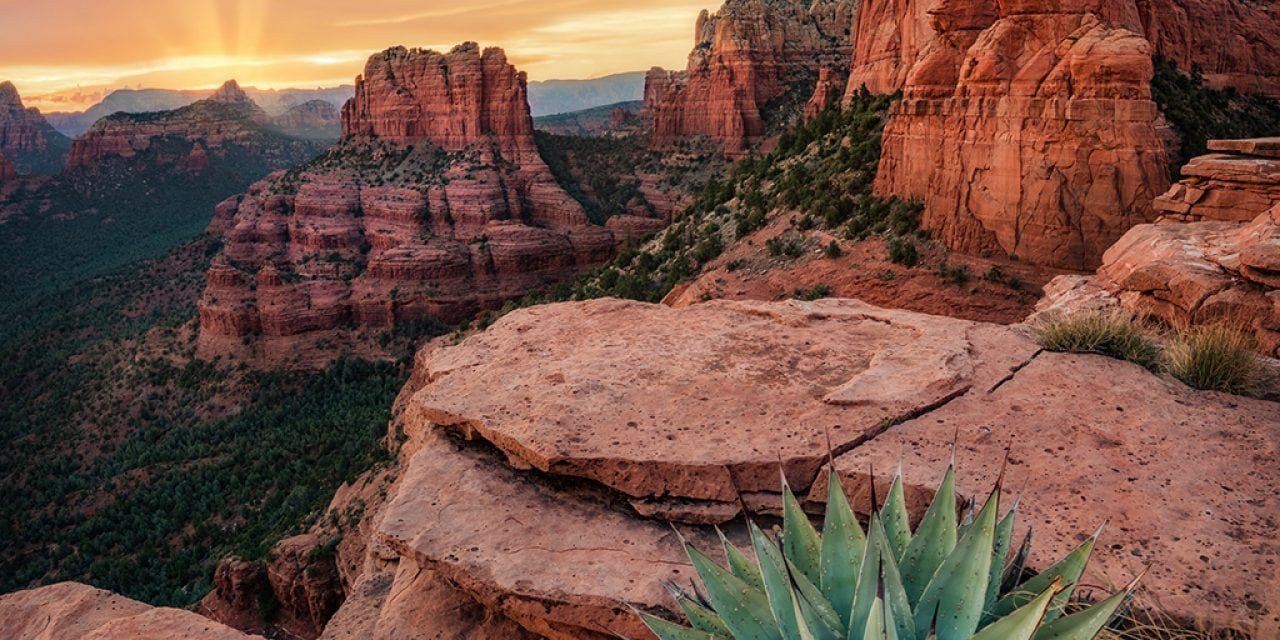
Desert sunsets have a quality of light that’s hard to match elsewhere, but a few simple habits make a real difference in the photos you bring home.
Arrive Before the Color Peaks
The best sky color often appears 10-20 minutes after the sun actually drops below the horizon, not during the sunset itself. Plan to stay at your location a bit longer than you think you need to.
Use Silhouettes to Your Advantage
Saguaro cacti make striking foreground subjects when shot as dark silhouettes against a bright sky. Shoot toward the sun and expose for the sky rather than the cactus itself.
A Few Practical Tips
- Turn off your flash – it won’t help and will flatten the scene.
- If using a phone, tap the sky to set exposure before the color peaks.
- A simple foreground subject (one cactus, one rock formation) usually beats a cluttered frame.
- Bring a light jacket – you’ll want to stay out past sunset for the best color.
Composition Ideas Worth Trying
Framing a single saguaro slightly off-center, with the mountains as a low horizon line, usually works better than centering the subject. Shooting from a lower angle, close to the ground, can also exaggerate a cactus’s height against the sky in a way that’s harder to achieve standing upright.
If you want expert guidance on timing and location, our Golden Hour Photography Tour is built entirely around this, with a guide who scouts locations year-round.
Working With Dust and Haze
Occasional dust in the air, especially before monsoon storms, can actually deepen sunset colors into richer reds and oranges. Don’t assume a slightly hazy sky will ruin your shot – it’s often worth staying for the result rather than packing up early.
Editing Without Overdoing It
A light boost to contrast and saturation can help a desert sunset photo match what you actually saw, since cameras often underexpose the sky’s color. Resist pushing saturation too far, though – the natural palette of a Sonoran Desert sunset rarely needs much help.