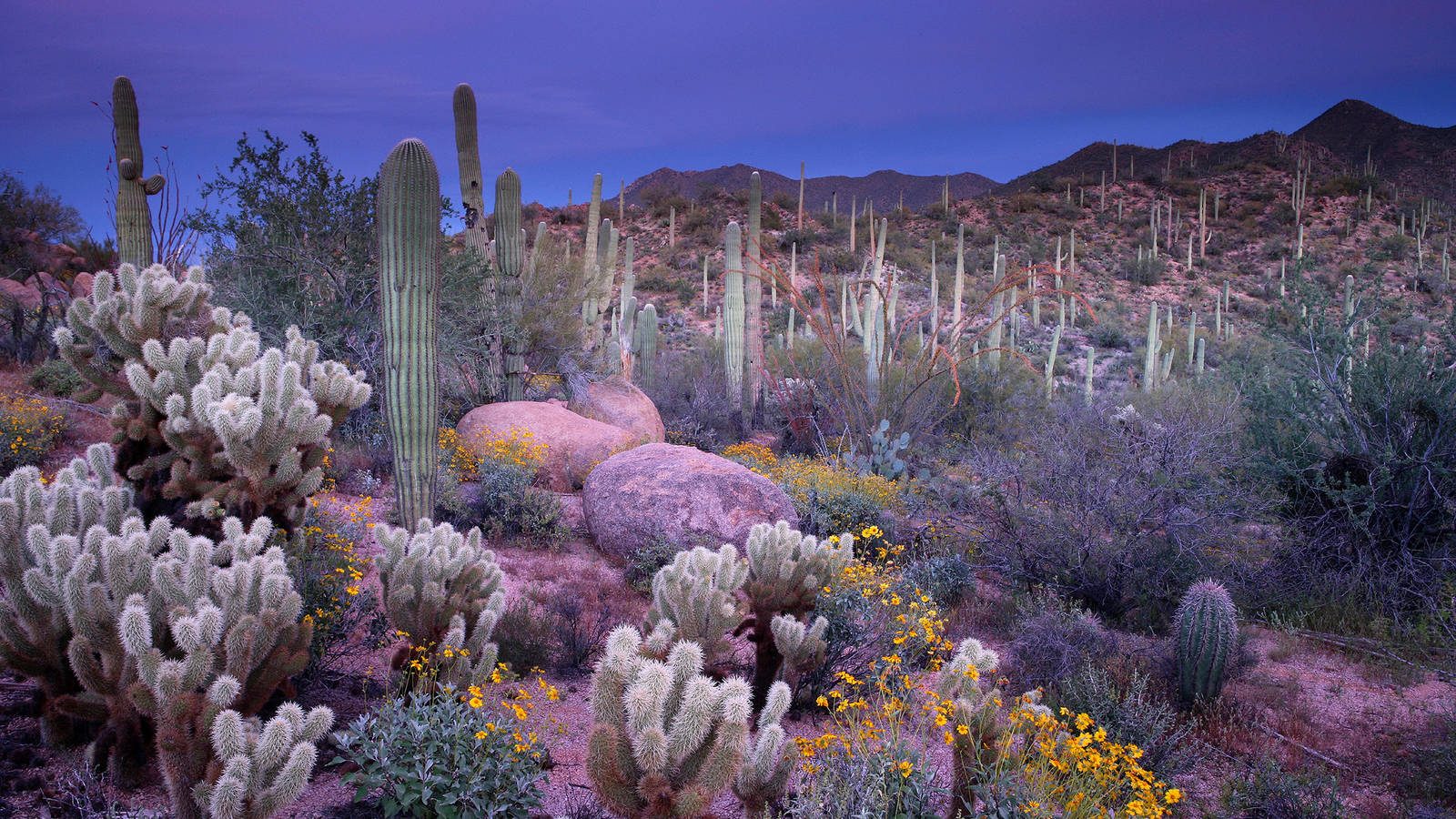
Southern Arizona is one of the best regions in the country for amateur stargazing, thanks to a combination of clear, dry air and deliberately protected dark skies.
Why the Skies Are So Dark
Tucson has enforced lighting ordinances for decades specifically to protect the region’s astronomical research facilities, which has the side effect of keeping the night sky remarkably dark even close to the city.
What You Can See
- The Milky Way, clearly visible on moonless nights away from city lights
- Saturn’s rings and Jupiter’s moons through a telescope
- Meteor showers at various points through the year
- Star clusters and nebulae invisible from most U.S. cities
Tips for First-Time Stargazers
Give your eyes at least 15-20 minutes to adjust to the dark before expecting to see fainter objects. Avoid looking at your phone screen during this time, or use a red-light mode if you need it.
Checking the moon phase before you go also helps – a new moon gives the darkest skies for deep-sky viewing. Our Stargazing Desert Night Tour schedules around this automatically and brings telescopes set up and ready to use.
Beyond the Telescope
Even without equipment, a clear night away from city lights is worth experiencing on its own. Bring a blanket or reclining chair, give your eyes time to adjust, and you’ll likely spot more detail in the Milky Way than you expect from a first-time naked-eye view.
Best Seasons for Stargazing
Winter months often bring the clearest, driest air and the longest stretches of darkness, making them a strong choice for serious stargazing. Summer nights are warmer and more comfortable for sitting outside, though occasional monsoon cloud cover can interrupt visibility on any given evening.
A Shared Local Resource
Tucson’s dark skies aren’t an accident – they’re actively maintained through lighting codes that limit upward-facing light and require shielded fixtures across much of the region. Visiting with an appreciation for why those skies stay dark adds a bit of context to an already memorable night.